
Full truckload pricing typically includes a rate per mile, surcharge toll taxes, driver detention, and potentially additional expenses. When it comes to drayage, the standard move is more than the miles. These operations often occur close to a port complex and involve a few kilometers. The cost, however, can vary depending on how long it takes to enter and exit the port complex.
Hence the cost of drayage for container shipping is a debatable topic. In this blog, you will learn how drayage fees are assessed and how to reduce these charges. You must carry your container to its final destination after it has arrived at the port. This could be a rail terminal or a warehouse for the next leg of its journey. This kind of traveling is short, and you also need to pay a drayage fee, including moving an entire container with a truck.
Let’s say you need to get your shipment done. Your drayage base fee will cover the costs of picking up your container from the port, transporting it to its final location, and storing it while it is en route.
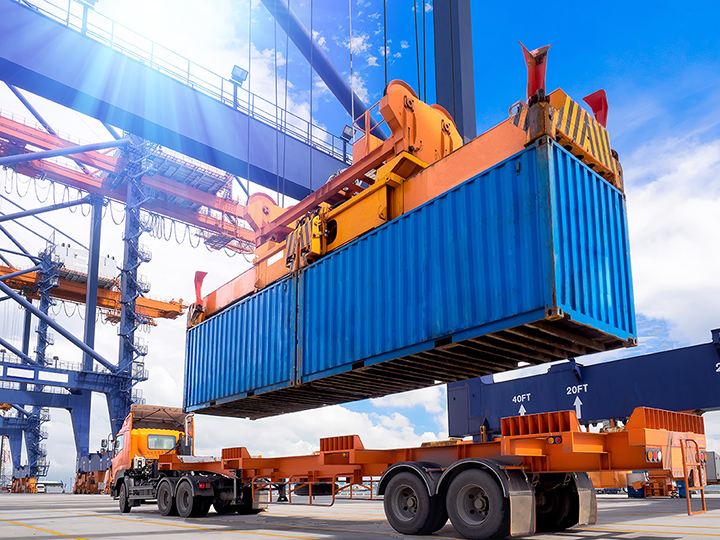
Factors Affecting Drayage Container Shipping Costs
● Fuel: There will be a fuel surcharge, typically calculated as a percentage of the linehaul rate. Most truckers set their gasoline rates at a specific level and levied this fee at nearly that rate.
● Time and mileage: How long will it take to complete this journey? You can get the linehaul rate by doing this. This will often be a flat charge for the entire journey. However, check to see if it’s a round trip.
● Tolls: There is a chance that you will pay toll fees, which are costs that will be passed through to you. This is more prevalent in various regions of the country. You might see a trucker’s administrative charge in exchange for their work.
● Ocean Terminal charges: There can be extra fees for visiting a marine terminal. Due to overcrowding, some truckers may charge you more to go to one than the other.
● Chassis fees: Some truckers may use their chassis so the quote will include cost information. But you’ll need to know how much those costs will be if they employ a split or rented chassis. These costs may be passed down, but the trucker may charge an
administrative fee for coordinating.
● Overweight fees: There can be permit costs or other heavy expenses associated with the movement of your container if it exceeds the permissible weight limit.
The above prices are more usual, or what I would refer to as the “known” fees. Let’s look at the additional charges that can incur.
● Pre-pull fees: If the container is going to enter freight and you want it off the terminal but need more time to be ready to accept delivery, you may be charged this cost. In preparation for delivery later, the driver will pull the container and stage it. Following that, you will be given a drayage rate from the staging area to your delivery location.
● Flip charges: When a marine terminal or railroad needs to make additional container transportation, they typically apply this fee. This usually happens if the driver takes his chassis to pick up the container.
● Driver delay: Most truckers will provide you “free time” as a driver for a set amount of time. This cost will be applied if the driver is more than that long-delayed for the pickup or delivery.
How to reduce drayage fees in container shipping?
Things may seem very gloomy regarding container shipping prices, particularly drayage. They aren’t. You can cut your container shipping drayage costs if you’re smart.
● Proper packaging
● Efficient shipping
● Employing shipper-owned containers (SOCs)
● Modifying the freight weight